
IN PRACTICE
Systems change when people do…
A look at how participatory, equity-centered work plays out in the field and the outcomes it produces when the people closest to the problem are trusted to help solve it.
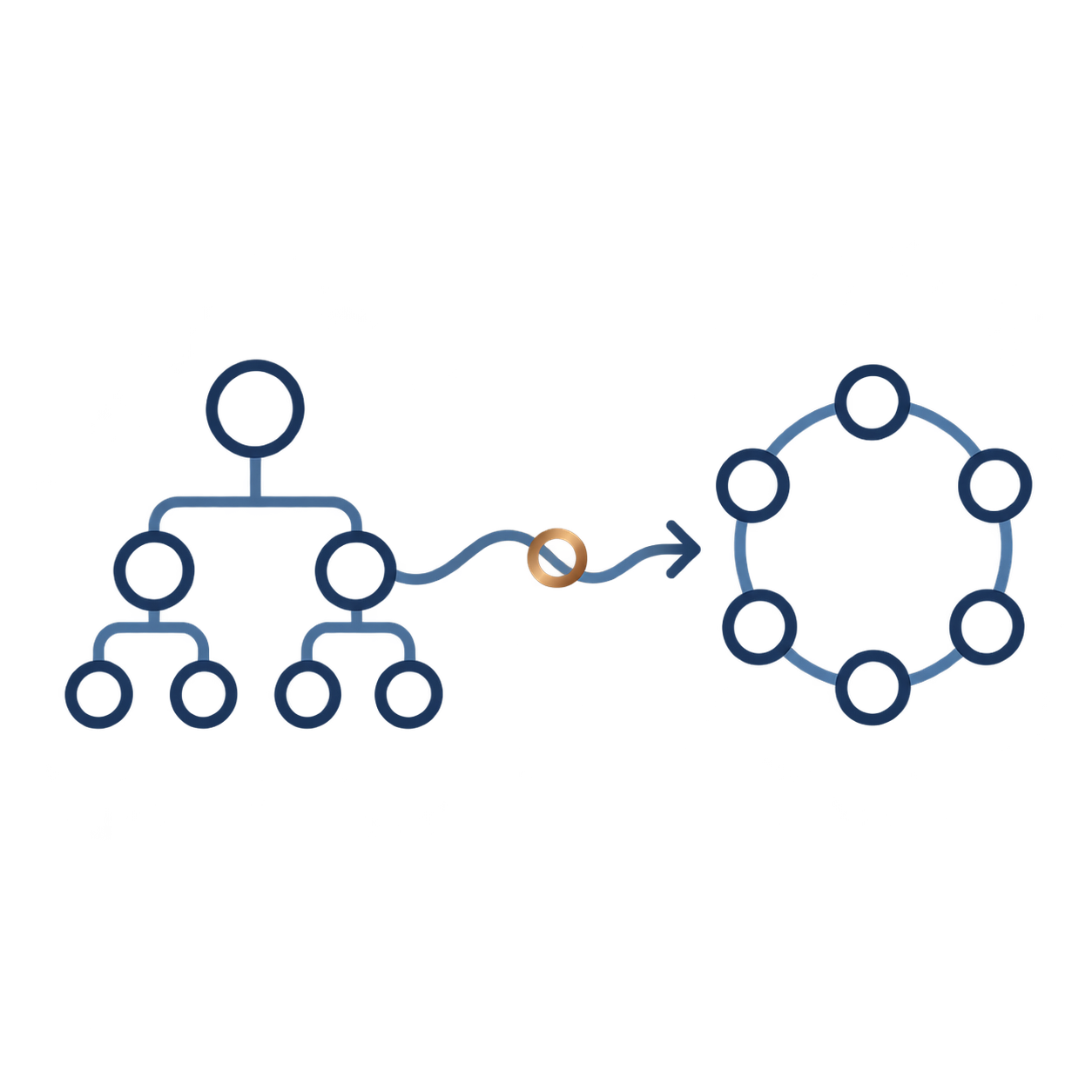
Case Study: From Five Disparate Programs to a Staff-Led Nonprofit Cooperative
Four founders had built five distinct, well-loved programs at a previous organization — until that organization discontinued all of them. Determined to keep the work alive, they set out to launch an independent nonprofit, but were starting from nearly nothing: $20,000 in seed funding, an outreach network limited to personal contacts, no digital infrastructure, and no appetite for fundraising. The founders were gifted educators with no cohesive organizational identity connecting their programs, and no business or compliance infrastructure to operate as a nonprofit at all.

Case Study: Building Sustainable Infrastructure for a Cross-Cultural Youth Arts Organization
The Challenge
The organization had launched with real promise — a joint Fulbright and mtvU grant funding a model that brought high school-aged youth from different communities in Israel and Palestine together through music. But by the time the engagement began, that funding had run out, no replacement funding was in place, and there was no operational model to sustain the work or bring participants back for continued programming. Staff — including the Executive Director — were working without full-time salaries. The organization had no meaningful marketing infrastructure, yet was in the middle of planning a US concert tour with its most dedicated participants and educators. The pedagogy and facilitation were genuinely strong; the business infrastructure to support and sustain it didn't exist yet.