
IN PRACTICE
Systems change when people do…
A look at how participatory, equity-centered work plays out in the field and the outcomes it produces when the people closest to the problem are trusted to help solve it.
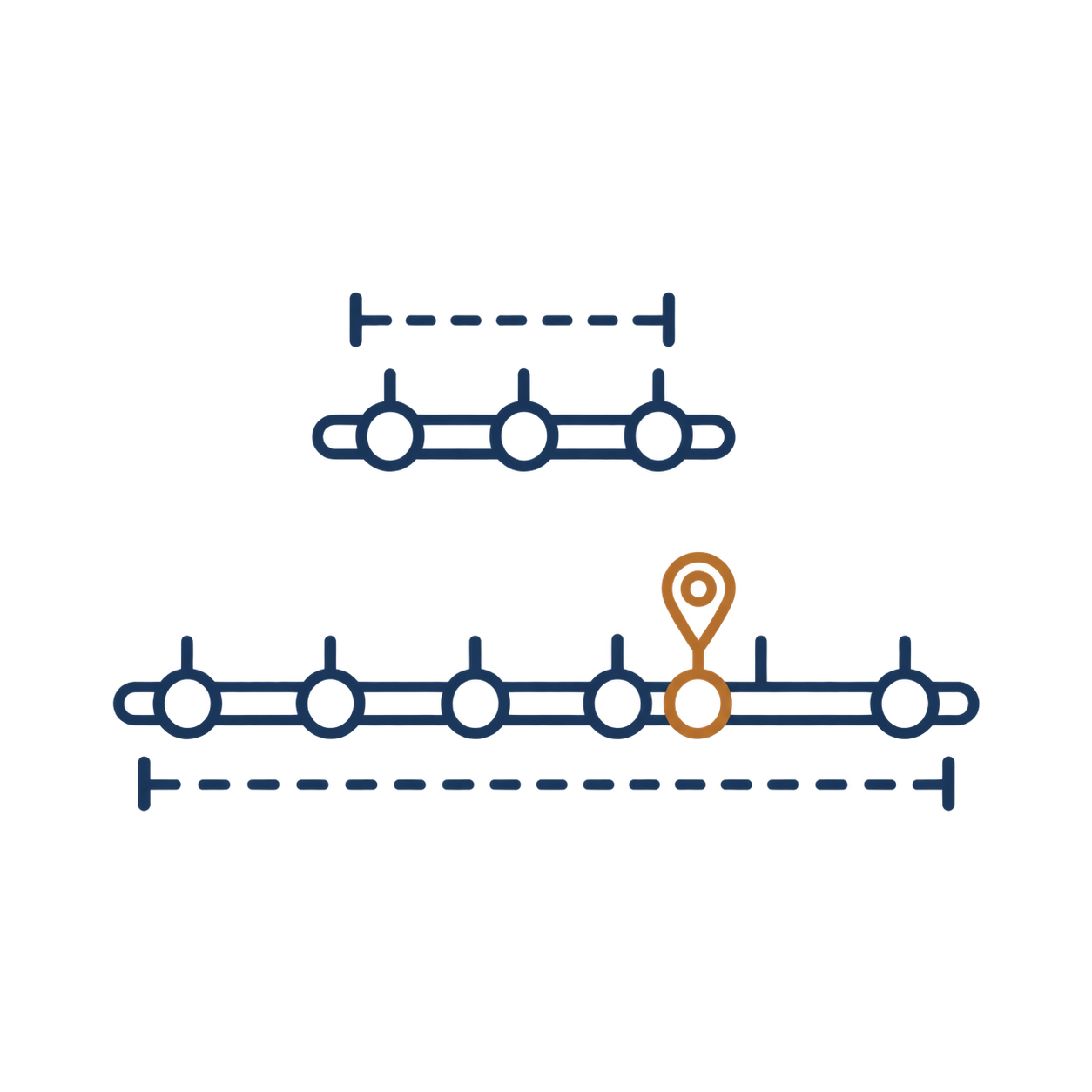
Case Study: When the Honest Answer Is "Not on This Timeline"
A national organizing campaign had an ambitious vision: convene a full political spectrum — community organizations, unions, environmental groups, and parties from across the spectrum — into a state-wide "laboratory" culminating in a sortition-based citizens' assembly tasked with drafting a new constitutional framework. Colorado, seen as uniquely anti-partisan rather than bipartisan, was chosen as the state to prove the model could work, with a goal of a statewide convention by year's end and a national convention the following year to mark a major historical anniversary. The campaign brought in outside help in April with that end-of-year deadline already set. The organization had never built a theory of change or stakeholder analysis, and couldn't yet articulate a credible path to its own goal — even internally.
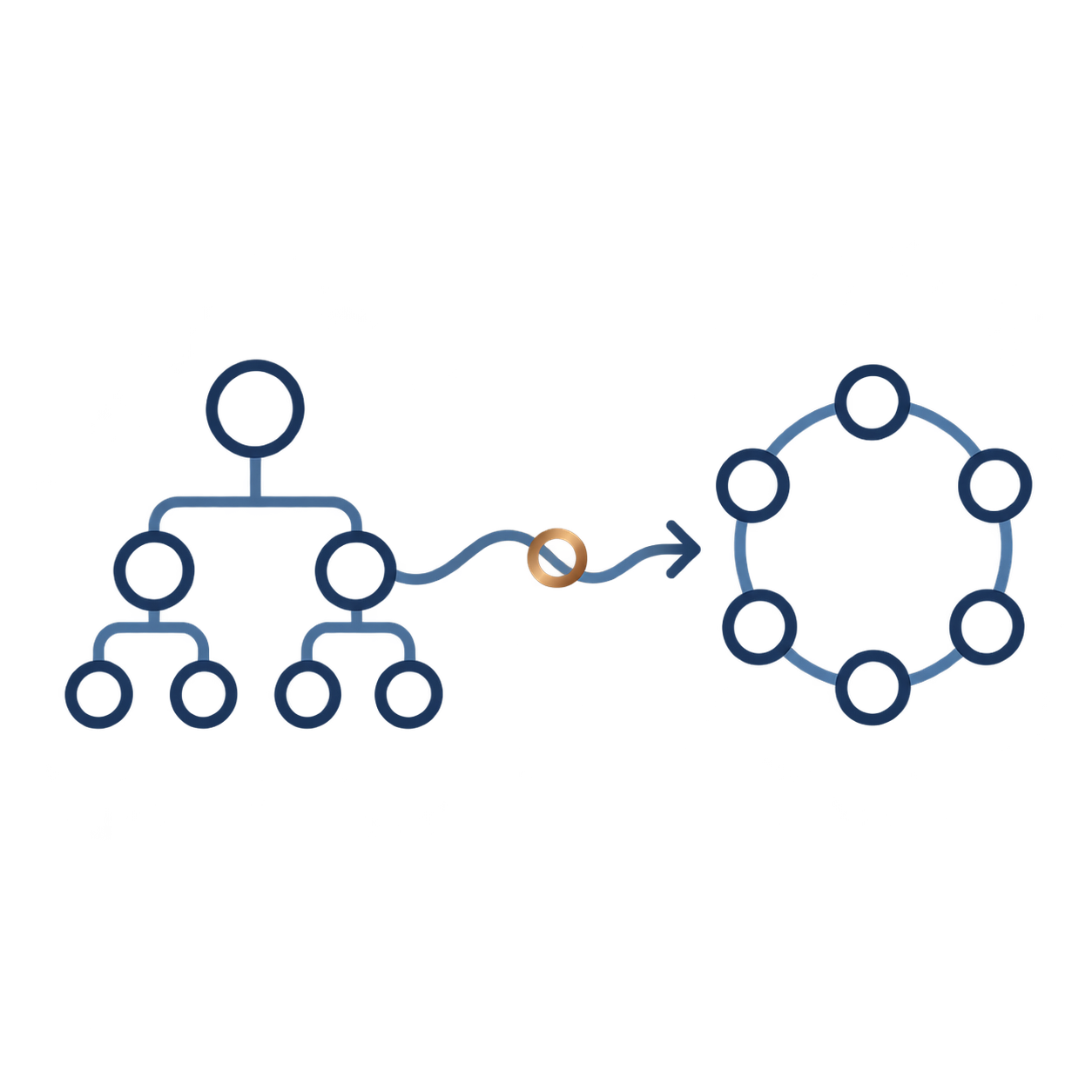
Case Study: From Five Disparate Programs to a Staff-Led Nonprofit Cooperative
Four founders had built five distinct, well-loved programs at a previous organization — until that organization discontinued all of them. Determined to keep the work alive, they set out to launch an independent nonprofit, but were starting from nearly nothing: $20,000 in seed funding, an outreach network limited to personal contacts, no digital infrastructure, and no appetite for fundraising. The founders were gifted educators with no cohesive organizational identity connecting their programs, and no business or compliance infrastructure to operate as a nonprofit at all.